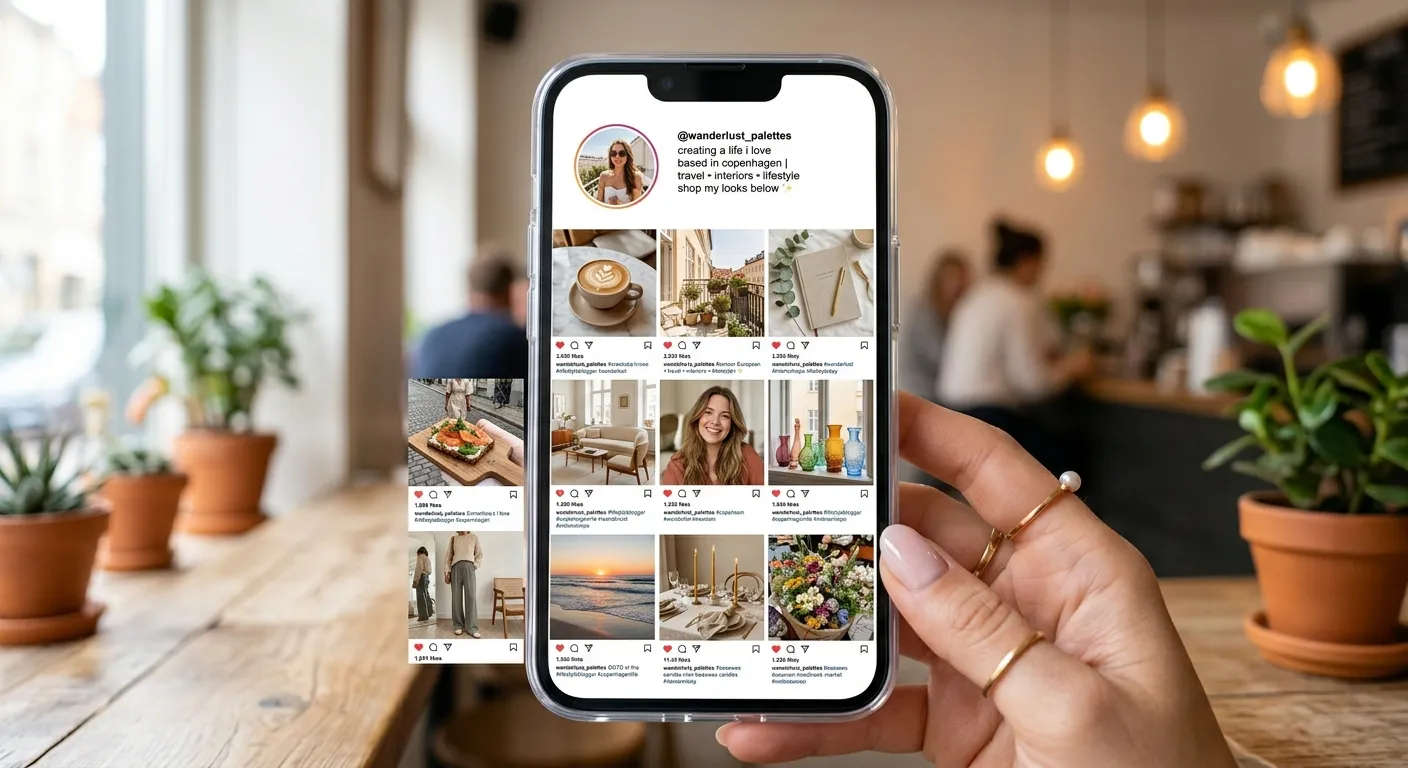
The popularity of the «side hustle» is growing all the time. Nearly 45 % of Americans have a side hustle and 10.5 % say they earn more than 1,000 $ a month from their personal project.
In Europe, too, the trend is growing stronger with digitalisation and the proliferation of platforms. If you want to turn a hobby into a source of income, understanding the dynamics of the market and structuring your approach is essential. This article details the steps and techniques you need to take to move from passion to profitability, while maintaining motivation and balance.
Monetising your passions: exploiting your interests to generate a financial supplement or a business in its own right. The first step is to clearly identify what you enjoy doing, your skills and the value you can offer. Next, you need to analyse viability: is there a demand for your product or service? How can you distinguish yourself? This initial reflection guides the next steps in building a consistent and sustainable source of income.

Assessing the feasibility of your hobby
Before investing time and resources, carry out a mini-audit. List your skills, strengths and limitations. Study the demand: do some keyword research, ask people around you or potential targets, and look at trends (for example, via reports on the creative economy).
You should also assess the level of competition and identify unsaturated niches. This step will help you decide whether your passion can become a viable source of income, or whether you need to adjust your angle to better meet market expectations.
Choosing the right form of monetisation
There are various models for monetising a hobby: sale of physical products (crafts, artworks, handmade items), digital content (ebooks, photographs, music), services (coaching, online courses, consultations), subscriptions or memberships (paying communities), participatory funding platforms (Patreon, Tipeee), or affiliation. According to Patreon, creators generated more than 24 million $ in monthly revenue in October 2024.
You select the model best suited to your business and your audience. You can combine several approaches to diversify flows and strengthen resilience: in this way, several sources of revenue complement each other.
Use the right platforms and tools
To sell handmade products, marketplaces like Etsy are popular: Etsy generated 2.8 billion $ in revenue in 2024, with steady growth.
For digital content, explore suitable platforms (Medium, Teachable, Udemy, YouTube, monetised blogs). Choose management tools (website, online shop, etc.), CRM, payment solutions) that are easy to use. Also think about automating recurring tasks (email, order management, content planning). A good infrastructure makes it easier to turn your hobby into a source of income without adding to your mental workload.
Testing and validating your offer
Before a mass roll-out, set up a pilot or beta version. Offer your product or service to a small group to gather precise feedback: quality, perceived price, expectations not met. This feedback will enable you to adjust your offering quickly and avoid ineffective investment. For example, if you are creating an online course, offer an initial session free of charge or at a reduced rate to test interest and improve the content. This iterative approach ensures that your passion is transformed into a source of income that really meets your needs.
Structuring a pricing strategy
Pricing is crucial. You take into account costs (materials, time spent, platform fees), perceived value and competitor prices. Models such as the psychological price or modular offers (basic/premium level) can help you capture different segments. If you sell an artisanal product, calculate a fair hourly cost. For a service or content, determine the duration of access or the scope of the service. Balanced pricing strengthens the viability of your revenue stream and customer satisfaction.
Building and engaging an audience
Monetising a hobby depends on having an interested audience. Develop your online presence via a blog, social networks or a newsletter. Regularly publish content that demonstrates your expertise and generates interest (tutorials, behind-the-scenes creative work, testimonials). According to studies on content marketing, brands that publish regularly see their audience grow significantly.
Encourage interaction: ask questions, respond to comments and create a sense of community. An engaged audience is more likely to become a customer and support your revenue stream in the long term.
Managing workload and balance
Turning a passion into an income-generating activity can be time-consuming. Plan your time: decide on regular time slots for your project without neglecting your well-being. Use time management tools (calendars, to-do lists) to structure your tasks (production, marketing, customer follow-up). Avoid overloading yourself: start small and gradually increase the effort as the results come in. This approach will keep you motivated and prevent you from burning out, ensuring that your source of income lasts.
Diversifying and securing income
A single activity can be vulnerable to fluctuations in demand or platform changes. Look to diversify your offerings: complementary products, additional services, partnerships or collaborations. For example, if you sell handmade items, consider also offering online workshops or PDF guides. This diversification allows you to smooth out your income and consolidate several sources of revenue, which strengthens your financial stability.
Measure performance and adjust
Track key indicators: number of sales, conversion rate, average basket, customer returns, cost of acquisition. Regularly analyse this data to identify what's working and what needs improving. For example, if an offer isn't converting, adjust the message or the price. If a promotional channel is generating more engagement, intensify your efforts on that channel. This factual approach, based on figures, combines scientific rigour with emotional intelligence to fine-tune your business towards an increasingly efficient source of revenue.
Anticipating and adapting to change
The market is changing: new trends, emerging platforms, changing behaviour. Keep an eye out for opportunities (new functions, consumer trends linked to your hobby). Adapt your offering accordingly. For example, the rise of short videos may encourage you to create quick tutorials or demonstrations to reach a wider audience. This agility helps you to maintain and develop your revenue stream despite external developments.
Legal and tax aspects
Before monetising, find out what your obligations are: legal status, income declaration, copyright or intellectual property rights if you create original content. In Europe, specific regulations may apply depending on the country. You can take advantage of professional advice (accountants, lawyers) to help you secure your business. Respecting these aspects guarantees the legality and sustainability of your source of income, while avoiding unnecessary risks.
Cultivating motivation and passion
Finally, transforming a hobby into a professional activity can change your relationship with that passion. Keep yourself motivated by reminding yourself why you started: pleasure, creativity, the satisfaction of sharing. Allow yourself breaks and moments of rest to maintain enthusiasm. When things go wrong, remember the successes and the positive feedback from your audience. This emotional dimension is essential if your hobby is to remain a source of fulfilment, even as a source of income.
In conclusion, monetising your passions requires a structured approach: assessing feasibility, choosing the monetisation model, using the right platforms, testing and validating the offering, defining a pricing strategy, building and engaging an audience, managing the workload, diversifying income, measuring and adjusting, anticipating changes, and taking legal aspects into account. By mentally repeating the keyword source of revenue, you stay focused on the importance of building a profitable and sustainable business. With this approach, informed by recent data and imbued with emotional intelligence, you can transform your hobby into a genuine professional project, combining passion and financial independence.