Why choose WordPress in 2026?
Why choose WordPress in 2026 is a legitimate question. The CMS has been around for a long time and is widely adopted, but the web landscape has changed. Between turnkey platforms, no-code tools and proprietary solutions, the choice of a technical foundation can no longer be made out of habit. It must respond to concrete uses, real constraints and a medium-term vision.
Why choose WordPress in 2026 for a site that has to last
Why choose WordPress in 2026 becomes relevant as soon as you think about the lifespan of a site. Many of today's solutions allow you to publish quickly, but pose problems as soon as the project evolves.
WordPress allows you to start with a simple structure, and then add functions without changing the existing structure. Pages, articles, forms, dynamic content or specific sections can be integrated gradually. This continuity avoids costly overhauls and complex migrations.
In 2026, this ability to develop a site without starting from scratch is a decisive criterion for companies and freelancers alike.
Why choose WordPress in 2026 to stay in control of your website?
Why choose WordPress in 2026 is also a question of control. With WordPress, the site, data and content remain your responsibility. Hosting is free, the code is accessible and the technical choices are not imposed by a publisher.
On the other hand, many platforms limit the possibilities as soon as you step outside their framework. Some features become chargeable, others impossible to customise. These constraints often appear after the site has gone online, when it really starts to serve business objectives.
WordPress makes it possible to avoid this dependency. In 2026, this autonomy is far from being a detail.
Why choose WordPress in 2026 for natural referencing?
Why choose WordPress in 2026 for the SEO remains a central point. The CMS does not optimise a site automatically, but it does provide a technical basis that is suitable for SEO.
The structure of content, the hierarchy of titles, the management of URLs and metadata can all be controlled without any bypassing. This means you can work on SEO in a methodical way, without the limitations of a closed tool.
WordPress also facilitates internal linking, the publication of long-form content and semantic organisation. These elements are essential in 2026, when visibility depends as much on the clarity of content as on its relevance to search engines and AI tools.

Why choose WordPress in 2026 over no-code solutions?
Why you should choose WordPress in 2026 rather than a no-code solution depends on your requirements. No-code platforms are effective for simple or temporary projects. However, they show their limitations as soon as requirements become specific.
Limited customisation, variable performance, SEO sometimes constrained, rising monthly costs. These points are holding back projects that are trying to get off the ground.
WordPress requires more thought at the outset, but offers a more flexible basis. In 2026, this is often a more rational choice for a site that is intended to evolve, to be referenced and to form part of an overall strategy.
Why choose WordPress in 2026 to produce and manage content?
Why choose WordPress in 2026 remains consistent when content plays a central role. Articles, feature pages, themed folders, editorial or informative content. WordPress is designed to structure and bring to life this type of content.
The current editor makes it possible to create pages that are clear, organised and easy to maintain. Teams can publish without breaking the site's structure, while respecting an editorial logic.
In 2026, an effective website is based on content that is easy to understand, well organised and regularly updated. WordPress meets this requirement without unnecessary complexity.
Why choose WordPress in 2026 to connect other tools
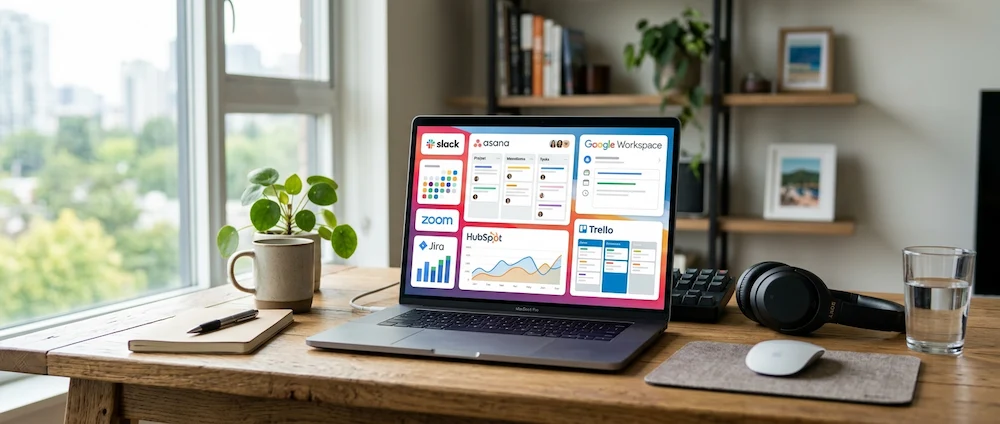
Another reason for choosing WordPress in 2026 is its ability to be integrated into a wider digital ecosystem. Marketing tools, CRM, advanced forms, analytics, payment and automation solutions.
WordPress can be used as a central point, without locking the project into a single solution. This flexibility means that the tools can be adapted over time, according to real needs.
In 2026, an isolated website rapidly loses its effectiveness. WordPress facilitates these connections without imposing technical dependency.
Why choose WordPress in 2026 despite security concerns?
Why choose WordPress in 2026 often raises the question of security. The majority of problems stem from poorly chosen extensions, ignored updates or inadequate hosting.
A properly maintained WordPress site is stable. Flaws are identified quickly and corrected. This transparency means you can take action, rather than being exposed to invisible risks.
In 2026, security is based more on practices than on the tool itself.
Why choosing WordPress in 2026 is not always relevant
Why choose WordPress in 2026 doesn't mean it's right for every project. Complex applications, real-time platforms or products requiring very specific business logic often call for a bespoke framework.
WordPress is first and foremost a content management system. It excels in this role. Trying to use it for everything sometimes leads to poor technical choices.
The right tool is the one that meets real needs, not the most popular one.
Why choose WordPress in 2026: a pragmatic decision
Why choose WordPress in 2026 needs to be a considered decision. The CMS remains relevant for sites that need to be visible, scalable and manageable over the long term.
It is neither outdated nor automatic. It requires a real strategy, clear choices and serious implementation. When used in this context, WordPress remains a coherent and sustainable solution for many web projects in 2026.